At Juniper Root, we empower children to pilot their education.
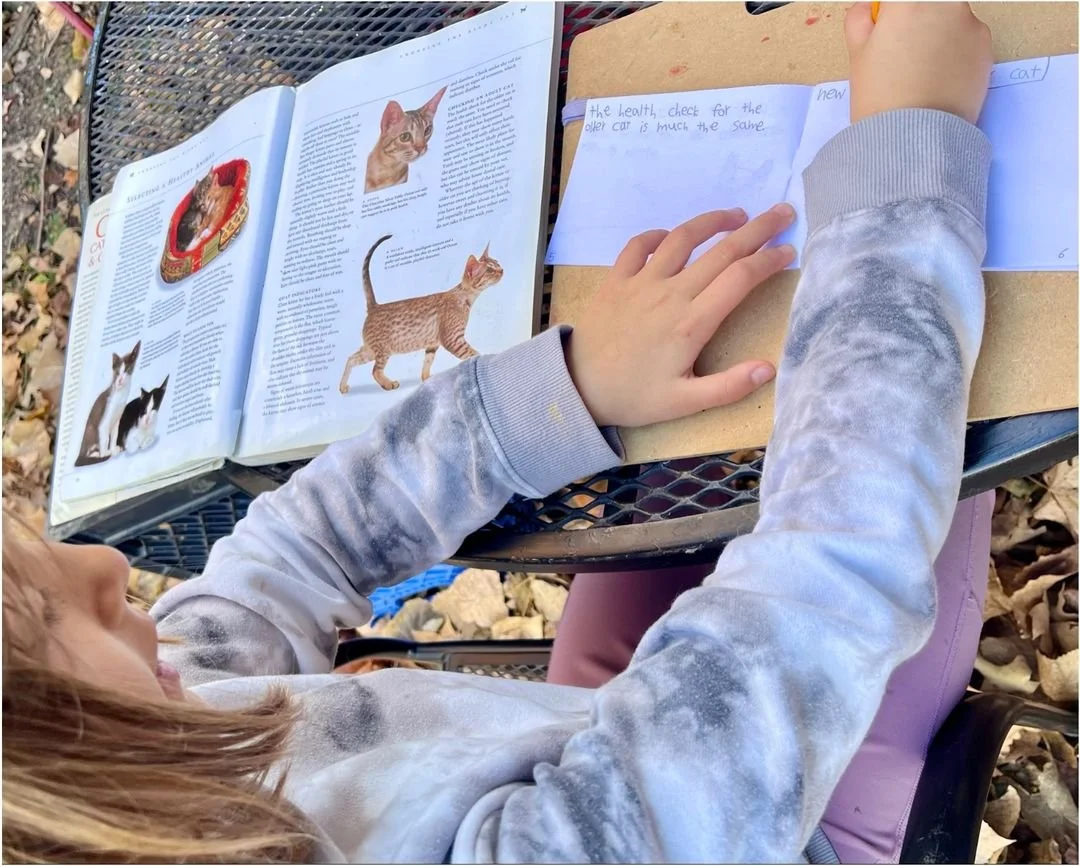
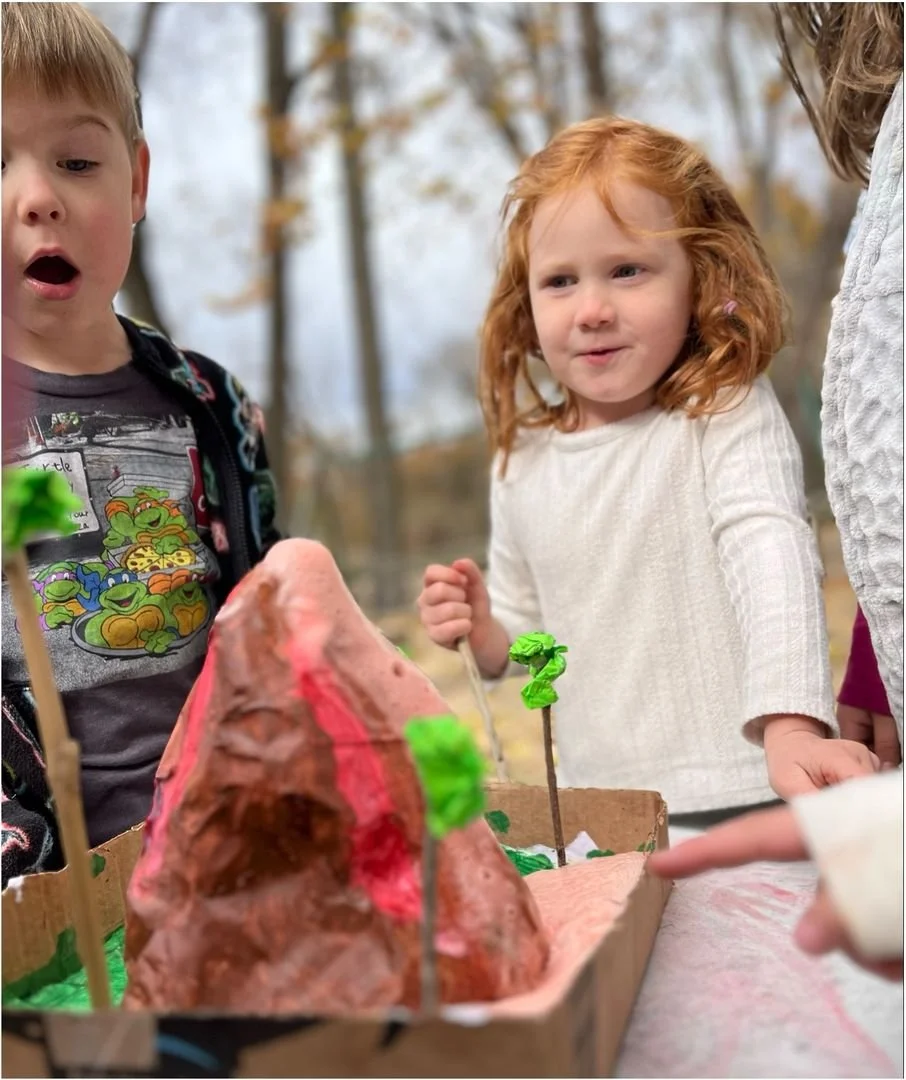
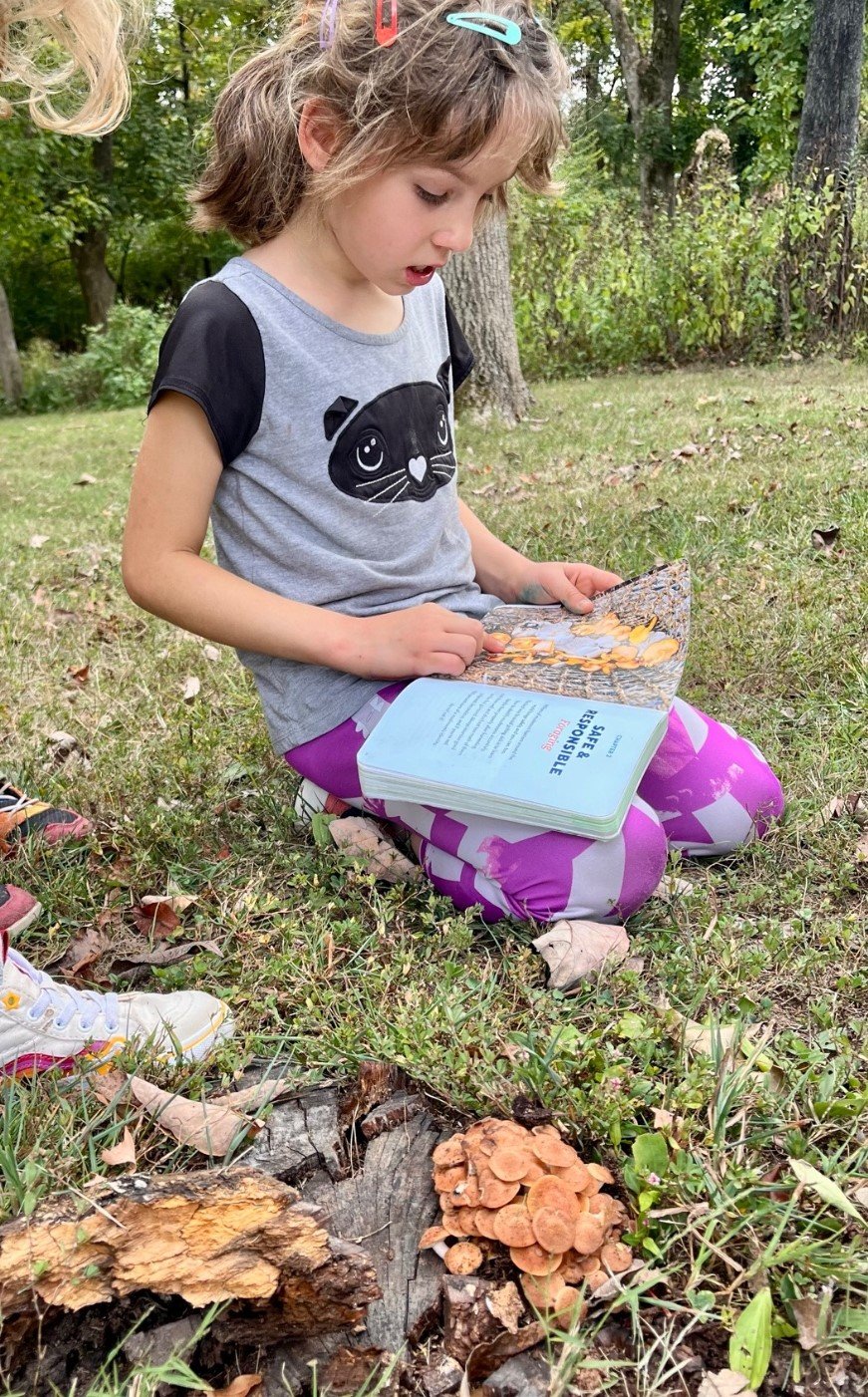
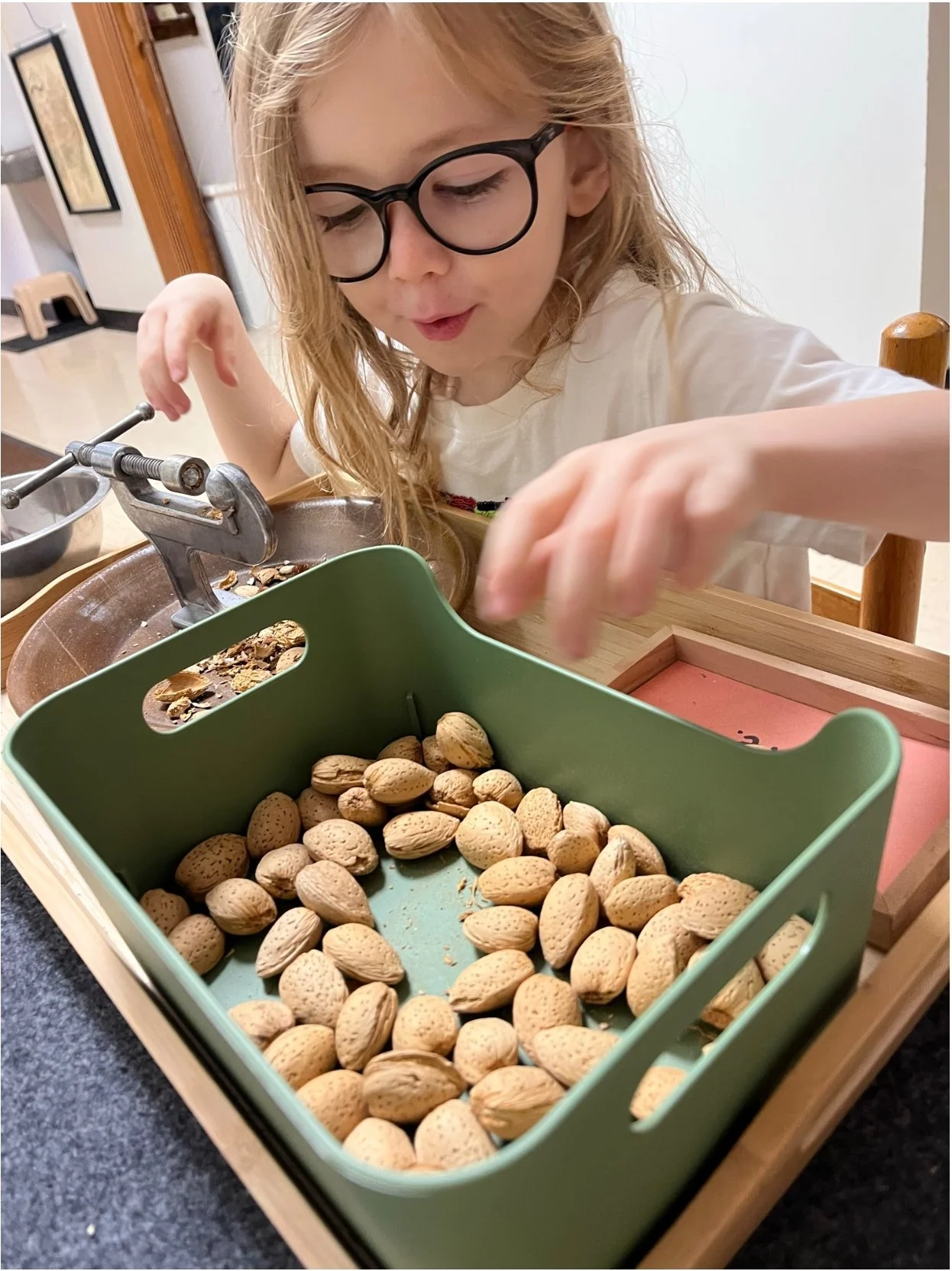
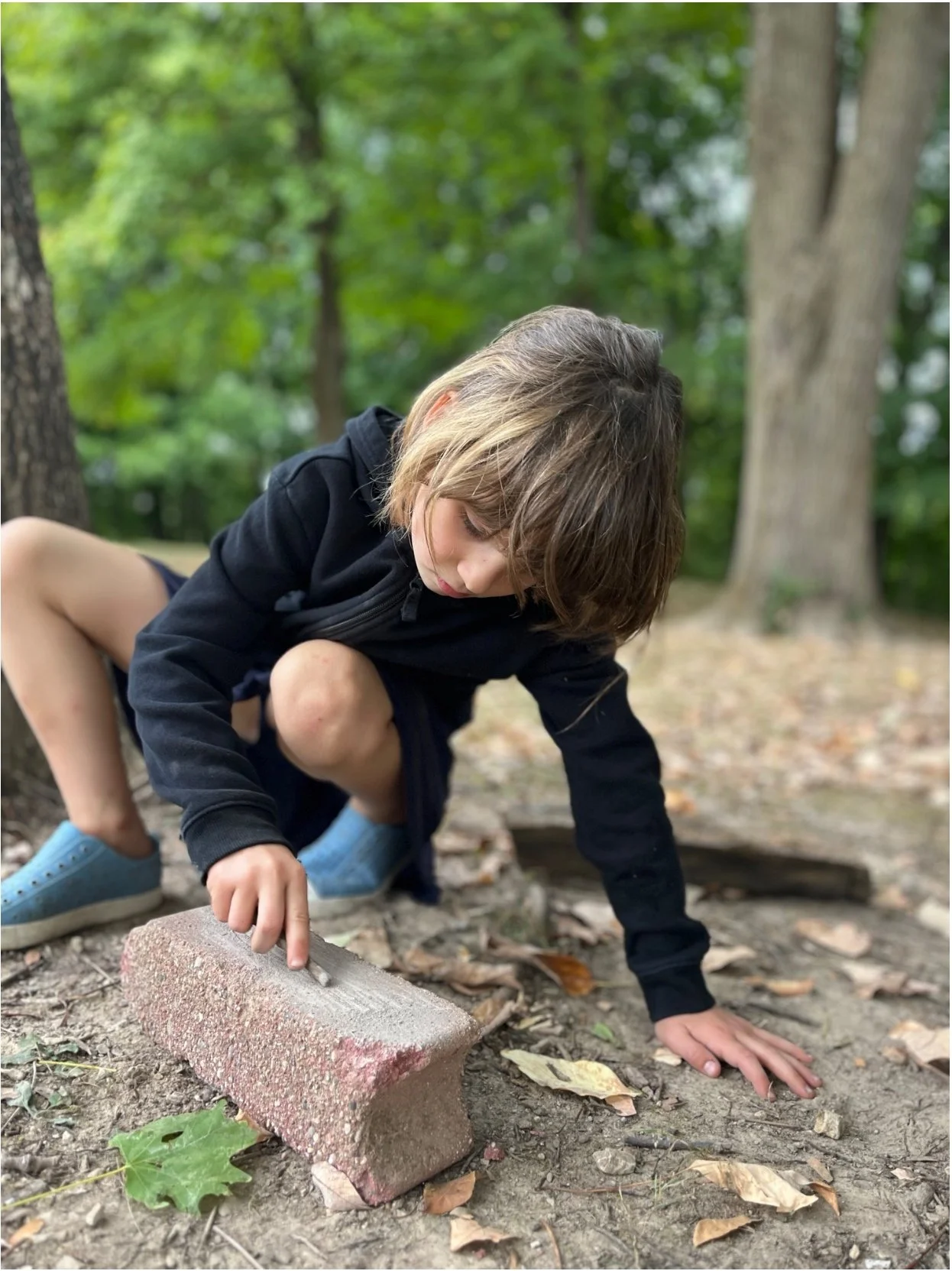
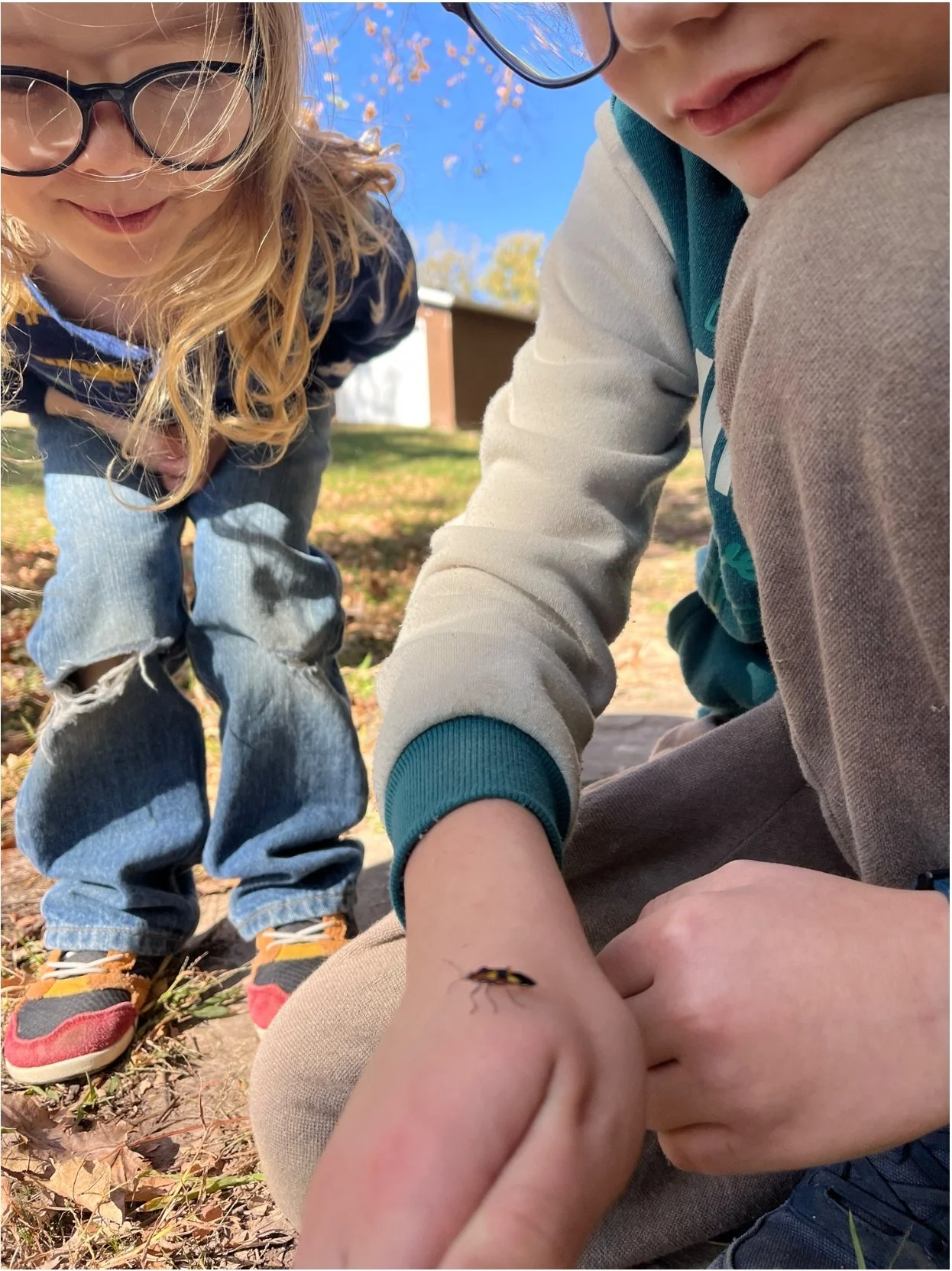
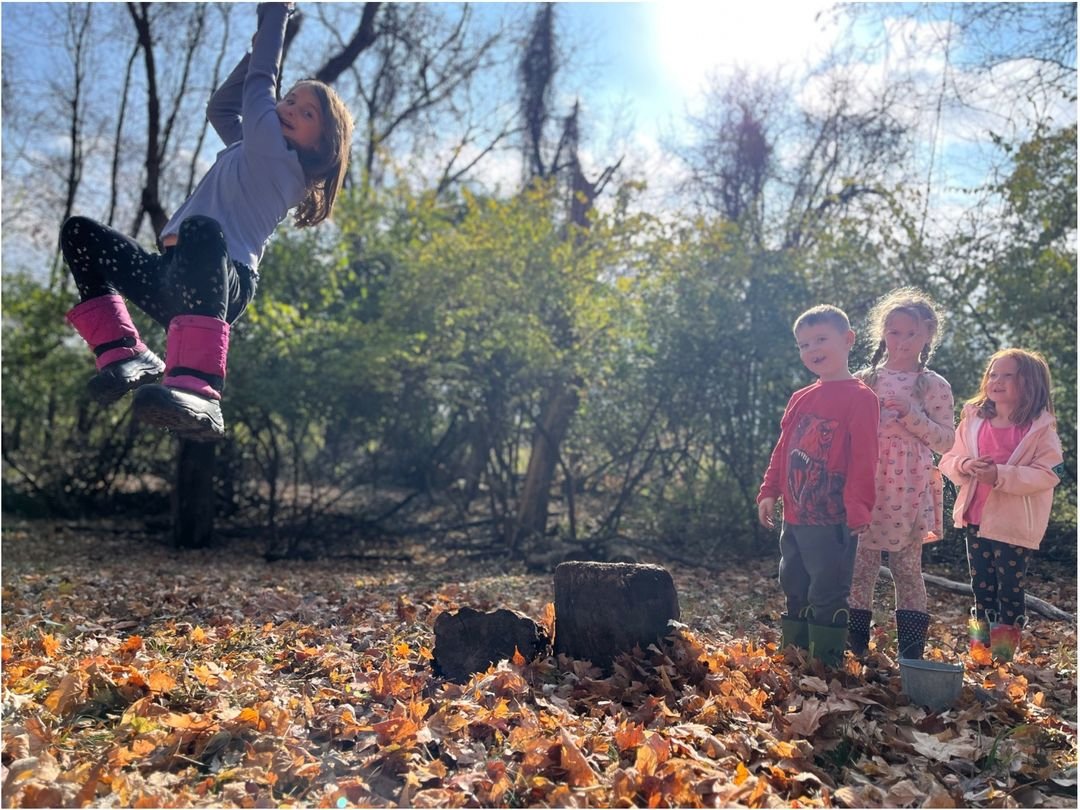
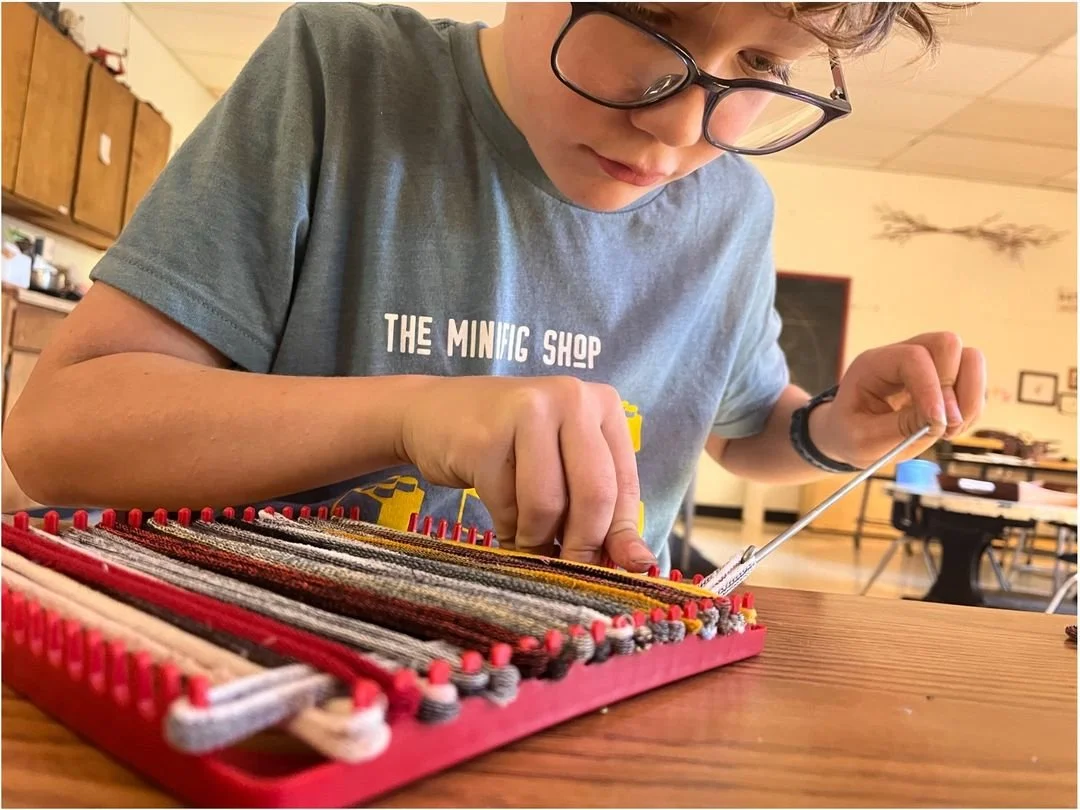
Self-directed children feel a sense of ownership over their lives and learning. They are aware of their interests and the steps necessary to reach their goals. Staff at Juniper Root take time to step back and observe each child’s specific interests in order to curate the environment with appropriate challenges, tools, materials, and areas for exploration. Children are driven to explore topics on their unique timetable. When a child expresses interest in a certain academic area, we help guide them towards materials to support that interest and refrain from imposing any sort of adult or societal agenda on their work. We believe that the best way to create lifelong lovers of learning is to give children the gift of time and space to explore their passions in a safe and supportive environment.
Relationships are at the core of our approach.
We recognize the extreme importance in forming warm, loving connections and so at Juniper Root, we prioritize relationships. When children are loved unconditionally, they are then able to direct that unconditional love towards themselves. When adults treat children as highly competent humans capable of assessing risk, resolving conflict, and making decisions, children internalize that belief and build a strong sense of self.
Conflicts are inevitable.
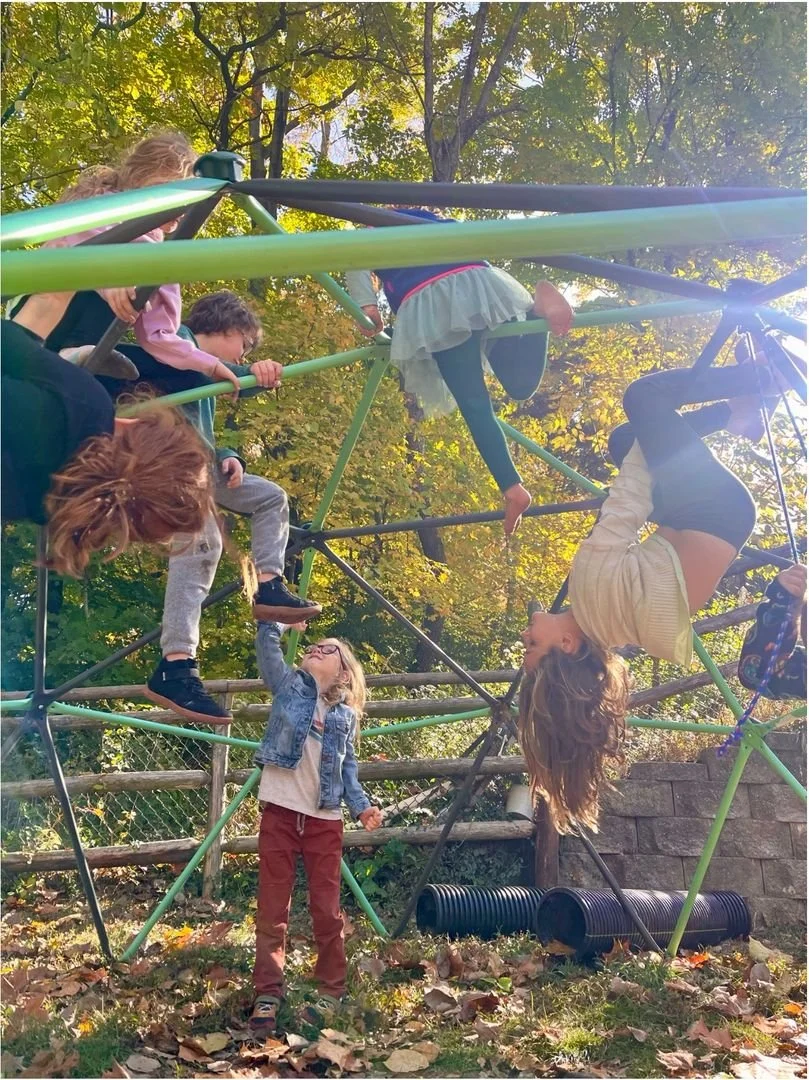
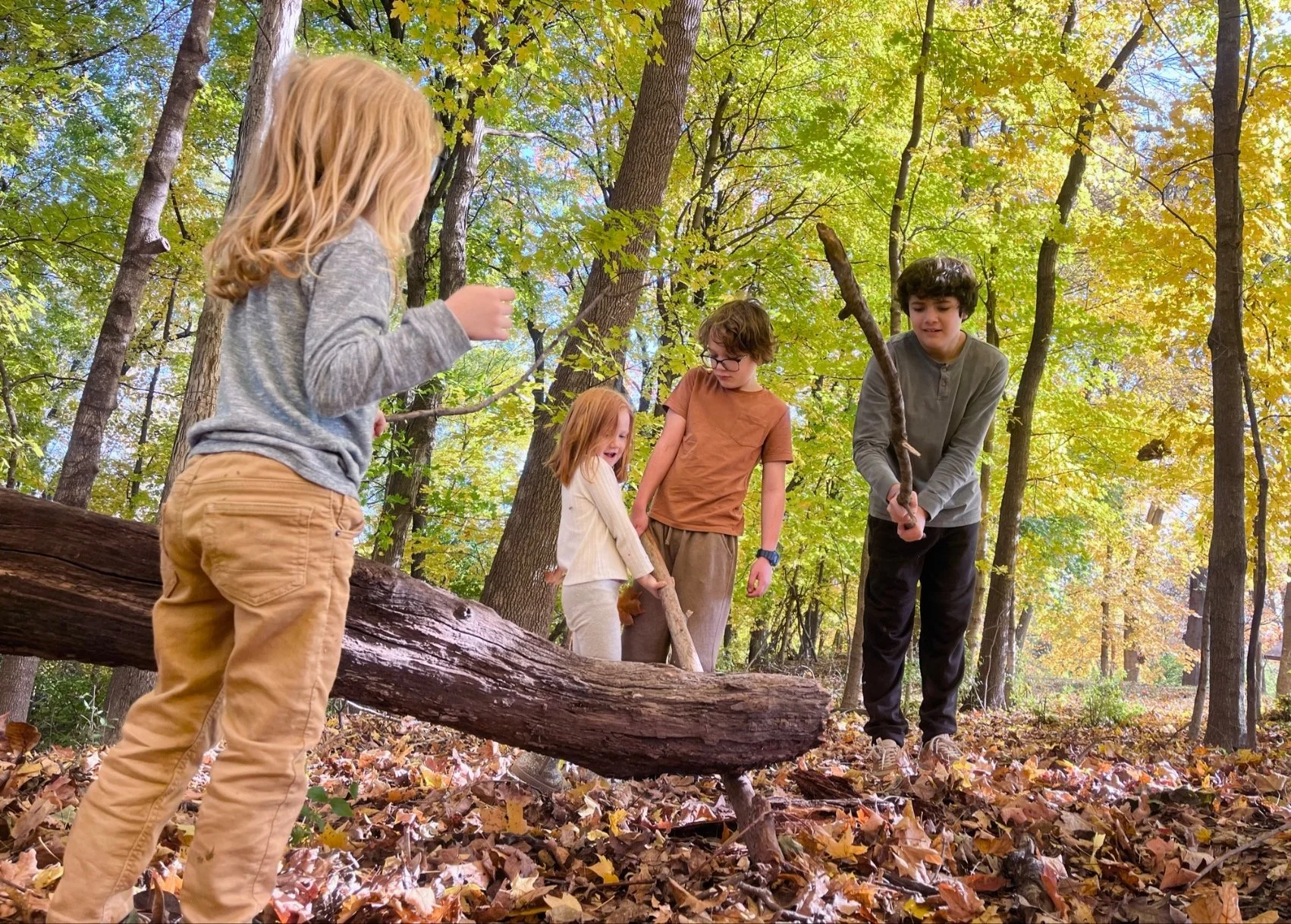
Conflict is a natural part of every human relationship. When conflicts arise between children, staff at Juniper Root support their resolution process without stepping in to solve the problem for them. Adults are nearby throughout the conflict in order to keep everybody safe and to help verbalize the process. We acknowledge and embrace the fact that conflict resolution is often a messy process and there is no right or wrong solution to any altercation. Each time children are allowed to settle disputes in their own way, they become a little more adept and confident with this skill.
Education should be grounded in purpose.
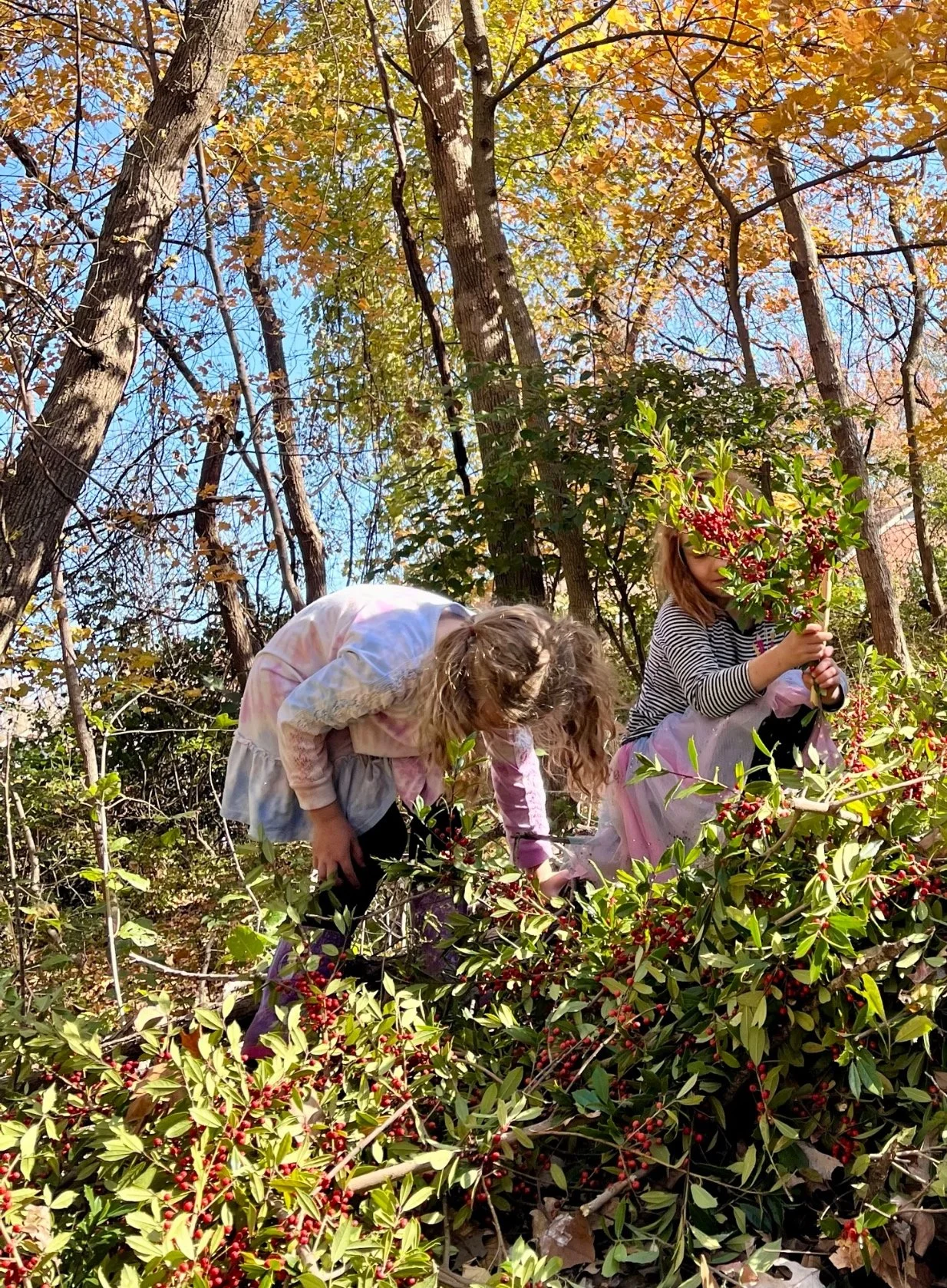
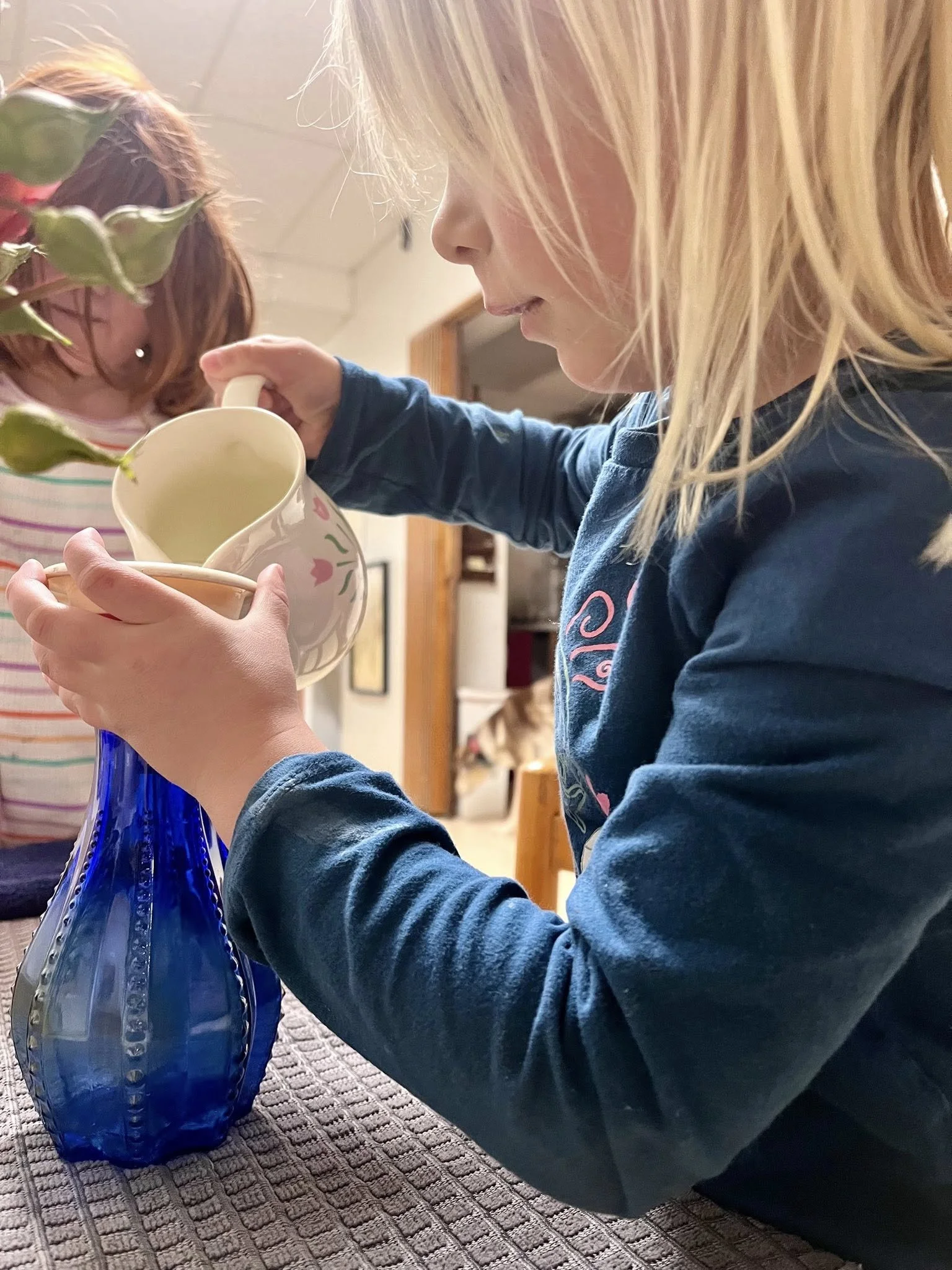
Humans of all ages seek a sense of purpose in their lives. In play, children both create and fulfill that need. Our environment is also arranged so that children can easily carry out tasks with a concrete measure of purpose. Caring for the indoor and outdoor environment, planting/harvesting vegetables, coordinating art shows to raise funds for the school, preparing meals, raking leaves, sweeping/mopping, and wiping tables all contribute towards a child’s sense of purpose and help them develop a strong connection to their space.